Insoluble fiber, crucial for digestive health, isn’t absorbed during digestion; instead, it adds bulk to stool, promoting regularity and gut microbiome balance.
Dietary sources are plentiful, encompassing whole grains, vegetables, fruits, and legumes – a diverse range readily available for inclusion in daily meals.
PDF resources detailing insoluble fiber content in various foods can aid in informed dietary choices, supporting optimal health and well-being through mindful consumption.

What is Insoluble Fiber?
Insoluble fiber represents a vital component of a healthy diet, distinguished by its inability to dissolve in water. Unlike its soluble counterpart, it remains largely intact as it travels through the digestive system. This characteristic is precisely what grants insoluble fiber its unique benefits. It significantly increases stool bulk, aiding in the prevention of constipation and promoting regular bowel movements – a cornerstone of digestive wellness.
Sources of insoluble fiber are abundant in plant-based foods. Think wheat bran, the outer layer of the wheat kernel, and vegetable skins like those found on apples and pears. Root vegetables, such as carrots and potatoes, also contribute, as do cruciferous vegetables like broccoli and cauliflower.
PDF guides detailing the fiber content of these foods can be incredibly helpful. These resources often provide a comprehensive list, allowing individuals to make informed choices and ensure adequate intake. Understanding the specific fiber content empowers you to tailor your diet to meet your individual needs and support optimal digestive health.
Benefits of Including Insoluble Fiber in Your Diet
Insoluble fiber offers a wealth of health advantages beyond simply promoting regularity. Its bulking effect aids in faster waste removal, reducing exposure of the intestinal lining to potentially harmful compounds. This can contribute to a lower risk of developing diverticular disease, a condition affecting the colon.
Furthermore, insoluble fiber plays a role in blood sugar control by slowing down glucose absorption. It can also contribute to feelings of fullness, assisting with weight management by reducing overall calorie intake. A healthy gut microbiome, fostered by adequate fiber intake, is linked to improved immunity and overall well-being.
Utilizing PDF resources listing insoluble fiber content in foods allows for targeted dietary planning. By consciously incorporating fiber-rich options – whole grains, vegetables, and fruits – you proactively support digestive health and unlock a cascade of positive physiological effects. Prioritizing insoluble fiber is an investment in long-term wellness.
Top Insoluble Fiber-Rich Foods: A Comprehensive List
Discover a diverse array of foods brimming with insoluble fiber, from hearty whole grains and vibrant vegetables to succulent fruits and protein-packed legumes.
PDF guides pinpoint specific fiber content, empowering informed choices for a gut-friendly and health-boosting dietary approach.
Whole Grains & Insoluble Fiber
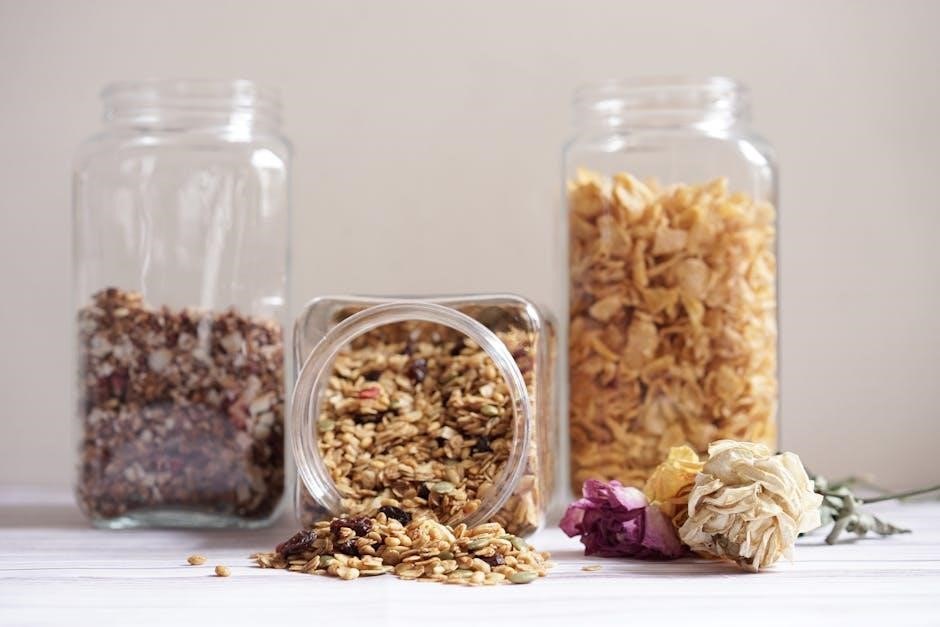
Whole grains stand as excellent sources of insoluble fiber, contributing significantly to digestive health and overall well-being. Unlike refined grains, whole grains retain the bran and germ, where the majority of fiber resides. This fiber isn’t digested, adding bulk to stool and aiding in regularity.
PDF resources often highlight the fiber content of various whole grains, allowing for informed dietary choices. These documents showcase the substantial insoluble fiber found in options like wheat bran, oats, and brown rice. Understanding these values empowers individuals to prioritize fiber-rich grains in their daily meals.
Prioritizing whole grains over processed alternatives is a simple yet impactful step towards a healthier digestive system and a more balanced diet. Consulting a comprehensive list, often available in PDF format, can further refine your selection process, ensuring optimal fiber intake.
Wheat Bran: A Fiber Powerhouse
Wheat bran, the outer layer of the wheat kernel, reigns supreme as a concentrated source of insoluble fiber. It’s a true “fiber powerhouse,” boasting a significantly higher fiber content compared to most other grains. This makes it an exceptional addition to any diet aiming to boost digestive health and promote regularity.
PDF guides dedicated to insoluble fiber foods consistently rank wheat bran at the top, detailing its impressive fiber profile. These resources often quantify the exact amount of insoluble fiber per serving, aiding in precise dietary planning. Incorporating wheat bran is a straightforward way to dramatically increase your daily fiber intake.
Adding wheat bran to smoothies, cereals, or baked goods is a simple strategy. However, it’s crucial to increase water intake alongside bran consumption to maximize its benefits and prevent potential digestive discomfort.
Oats: Beyond Beta-Glucan ⎻ Insoluble Fiber Content
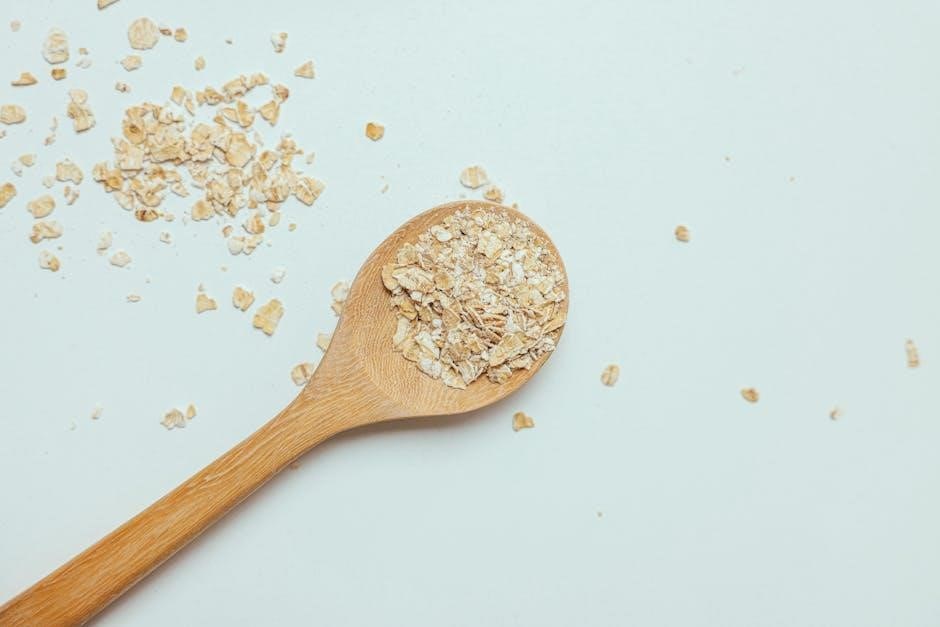
Oats are widely celebrated for their beta-glucan content – a soluble fiber known for heart health benefits. However, oats also deliver a substantial amount of insoluble fiber, often overlooked. This combination makes them a nutritionally complete grain, supporting both digestive and cardiovascular well-being.
PDF resources listing insoluble fiber-rich foods highlight oats as a valuable contributor, though typically lower in insoluble fiber than wheat bran. These guides detail the specific breakdown of soluble versus insoluble fiber within oats, allowing for informed dietary choices.
Choosing minimally processed oat varieties, like steel-cut or rolled oats, preserves more of the natural fiber content. Incorporating oats into breakfast or using them in baking provides a convenient and delicious way to increase your insoluble fiber intake.
Brown Rice: A Nutritious Whole Grain Option
Brown rice stands as a superior whole grain choice compared to white rice, retaining the bran and germ layers – key sources of fiber, vitamins, and minerals. This retention significantly boosts its insoluble fiber content, contributing to digestive health and promoting a feeling of fullness.
PDF guides detailing insoluble fiber content consistently list brown rice as a good source, though the exact amount varies depending on the specific variety. These resources often compare brown rice’s fiber profile to other grains, aiding in informed meal planning.
Incorporating brown rice into your diet is simple; it can replace white rice in numerous dishes. Its slightly nutty flavor and chewy texture add a pleasant dimension to meals, while simultaneously boosting your daily fiber intake and overall nutritional value.
Vegetables Packed with Insoluble Fiber
Vegetables are nutritional powerhouses, and many are excellent sources of insoluble fiber, vital for digestive regularity and gut health. PDF resources listing insoluble fiber content frequently highlight the benefits of incorporating a variety of vegetables into your daily diet.
Cruciferous vegetables like broccoli, cauliflower, and cabbage are particularly noteworthy, offering substantial amounts of fiber alongside essential vitamins and antioxidants. Root vegetables, including carrots, potatoes (with skin), and beets, also contribute significantly to your fiber intake.
Leafy greens, such as spinach, kale, and lettuce, while often recognized for their vitamins, also provide a valuable dose of insoluble fiber. Consulting a comprehensive fiber content PDF can help you prioritize vegetables for maximum benefit.
Root Vegetables: Carrots, Potatoes & Beets
Root vegetables – carrots, potatoes, and beets – are readily available and contribute meaningfully to daily insoluble fiber intake. A detailed PDF guide on fiber content will confirm their nutritional value, showcasing how they support digestive health and regularity.
Potatoes, especially when consumed with the skin, are a surprisingly good source, offering a substantial amount of fiber per serving. Carrots provide a moderate amount, alongside beta-carotene, beneficial for vision. Beets, known for their vibrant color, also contribute to fiber consumption.
Referencing a PDF listing fiber content allows for informed choices, helping you maximize the benefits of these versatile vegetables. Incorporating them into meals supports a healthy gut microbiome and overall well-being.
Cruciferous Vegetables: Broccoli, Cauliflower & Cabbage
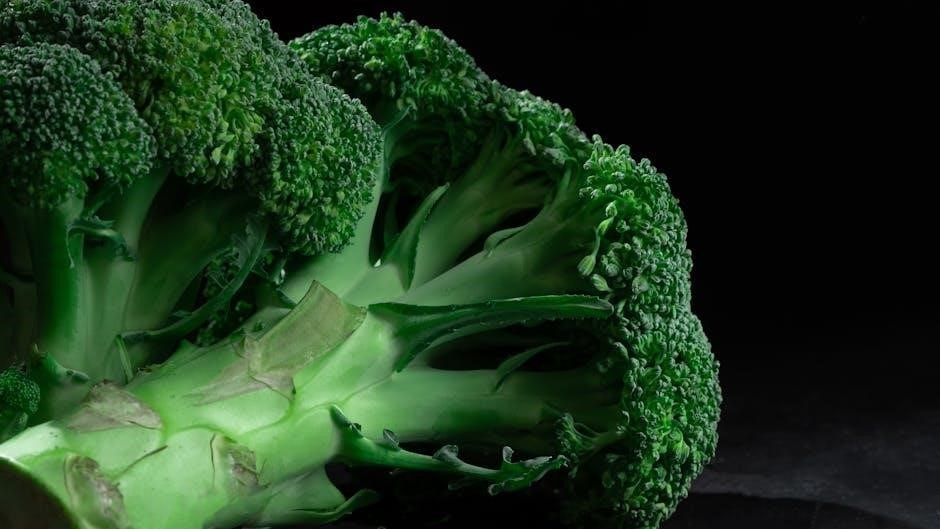
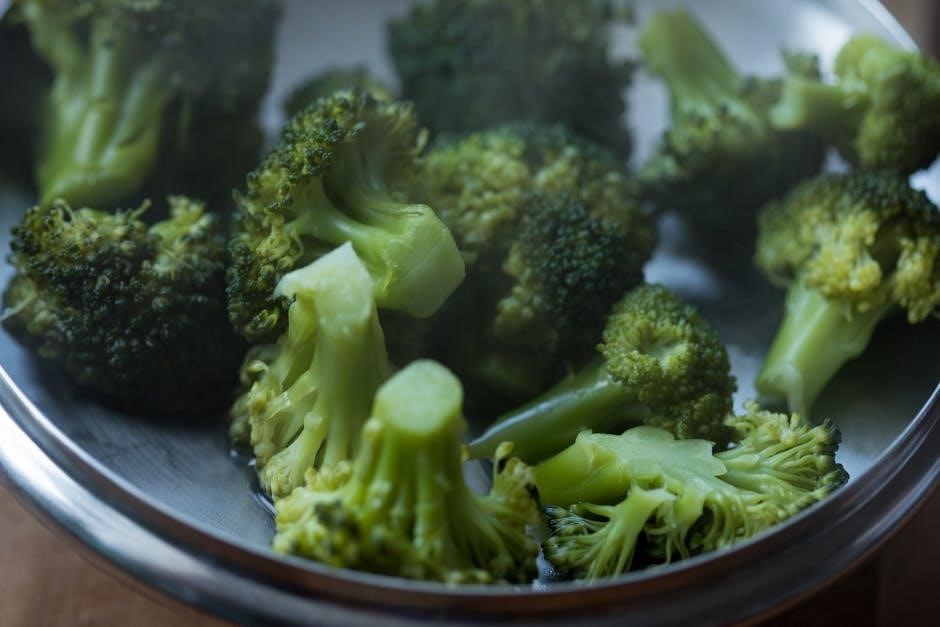
Cruciferous vegetables – broccoli, cauliflower, and cabbage – are nutritional powerhouses, notably rich in insoluble fiber. A comprehensive PDF detailing fiber content in foods will highlight their significant contribution to digestive health and overall wellness. These vegetables promote regularity and support a thriving gut microbiome.
Broccoli, with its distinct florets, offers a substantial fiber boost per serving. Cauliflower, versatile in culinary applications, provides a moderate amount alongside essential vitamins. Cabbage, often fermented for probiotic benefits, also contributes to daily fiber intake.
Consulting a PDF resource allows for precise tracking of fiber consumption, enabling informed dietary choices. Integrating these vegetables into your meals is a simple yet effective strategy for optimizing digestive function and promoting long-term health.
Leafy Greens: Spinach, Kale & Lettuce
Leafy greens – spinach, kale, and lettuce – are foundational components of a fiber-rich diet, contributing significantly to digestive health. A detailed PDF listing insoluble fiber foods will confirm their valuable role in promoting regularity and supporting a healthy gut microbiome. These greens are also packed with essential vitamins and minerals.
Spinach, versatile in salads and cooked dishes, provides a good source of insoluble fiber. Kale, known for its robust flavor and nutritional density, offers a substantial fiber boost per serving. Lettuce, while varying in fiber content depending on the variety, still contributes to overall intake;
Utilizing a PDF resource for tracking fiber consumption allows for informed meal planning. Incorporating these leafy greens daily is a simple and effective way to enhance digestive wellness and overall health.
Fruits Contributing to Insoluble Fiber Intake
Fruits, beyond their sweetness and vitamins, play a vital role in boosting insoluble fiber intake, supporting digestive health and overall well-being. A comprehensive PDF detailing insoluble fiber foods will highlight the specific contributions of various fruits to a balanced diet. Prioritizing fruits with edible skins maximizes fiber consumption.
Apples and pears, when consumed with their skin, are excellent sources of insoluble fiber, adding bulk to the diet and aiding regularity. Berries, including strawberries, blueberries, and raspberries, offer a delicious and fiber-rich snack option.
Consulting a PDF resource for precise fiber content allows for informed choices. Regularly incorporating these fruits into your diet is a simple, enjoyable way to enhance digestive function and promote a healthy lifestyle.
Apples with Skin: A Convenient Source
Apples, a readily available and portable fruit, offer a convenient way to increase insoluble fiber intake. However, the majority of an apple’s fiber resides within its skin, making consumption with the peel crucial for maximizing benefits. A detailed PDF listing insoluble fiber foods will confirm apples’ significant contribution.
The insoluble fiber in apple skin adds bulk to stool, promoting regularity and supporting a healthy digestive system. This is particularly important for maintaining gut health and preventing constipation. Choosing organic apples, when possible, minimizes pesticide exposure when consuming the skin.
Referencing a PDF guide allows for comparison with other fiber sources. Incorporating an apple with its skin into your daily routine is a simple, accessible step towards a fiber-rich diet and improved well-being.
Pears with Skin: Similar Benefits to Apples
Pears, much like apples, provide a readily accessible source of insoluble fiber, with the skin being the key to unlocking their full nutritional potential. A comprehensive PDF detailing insoluble fiber content will highlight the comparable fiber levels between these two fruits. Consuming pears with the skin intact is essential for maximizing fiber intake.
The insoluble fiber in pear skin aids in promoting digestive regularity and contributes to a healthy gut microbiome. This bulk-forming fiber assists in preventing constipation and supports overall digestive wellness. Opting for organic pears, when feasible, reduces potential pesticide exposure when enjoying the skin.
Consulting a PDF guide allows for easy comparison with other fiber-rich foods. Integrating a pear with its skin into your daily diet is a straightforward and beneficial step towards a fiber-rich lifestyle.
Berries: A Delicious and Fiber-Rich Snack
Berries – including strawberries, blueberries, raspberries, and blackberries – offer a delightful and convenient way to boost your insoluble fiber intake. A detailed PDF listing insoluble fiber foods will confirm their impressive contribution to daily fiber needs. These vibrant fruits aren’t just tasty; they’re nutritional powerhouses.
While berries contain both soluble and insoluble fiber, the insoluble component aids in promoting digestive health by adding bulk to stool and supporting regular bowel movements. This is particularly beneficial for maintaining a healthy gut microbiome. Enjoying a handful of berries as a snack is a simple way to increase fiber consumption.
Referencing a PDF guide can help you compare the fiber content of different berry varieties and incorporate them strategically into your diet for optimal wellness.
Legumes: Excellent Sources of Insoluble Fiber
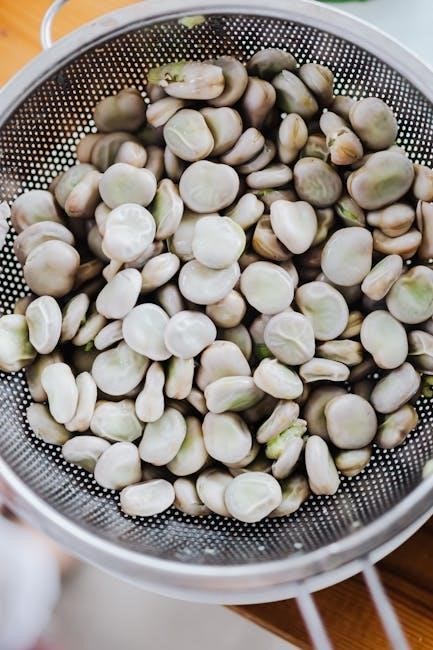
Legumes, encompassing beans, lentils, and peas, stand out as exceptional sources of insoluble fiber, significantly contributing to digestive health. A comprehensive PDF detailing insoluble fiber foods will highlight their substantial fiber content. These plant-based proteins are incredibly versatile and affordable, making them accessible for everyone.
Insoluble fiber within legumes promotes regularity, prevents constipation, and supports a thriving gut microbiome. Incorporating legumes into your diet – whether in soups, salads, or as a main course – is a proactive step towards improved digestive wellness. They also provide essential nutrients like protein and iron.
Consulting a PDF resource can assist in understanding the specific fiber profiles of various legumes, enabling informed dietary choices for maximizing health benefits.
Beans: Kidney, Black & Pinto Beans
Kidney, black, and pinto beans are nutritional powerhouses, boasting impressive amounts of insoluble fiber. A detailed PDF listing insoluble fiber foods will confirm their high ranking. These versatile legumes are staples in many cuisines, offering both flavor and substantial health benefits.
Insoluble fiber in these beans aids digestion by adding bulk to stool, preventing constipation, and fostering a healthy gut microbiome. They are also excellent sources of plant-based protein, iron, and folate, contributing to overall well-being.
Referencing a PDF guide allows for precise tracking of fiber intake, ensuring adequate consumption. Incorporating these beans into chili, salads, or as a side dish is a simple way to boost your daily fiber intake and support optimal digestive function.
Lentils: Versatile and Fiber-Rich
Lentils stand out as exceptionally versatile and fiber-rich legumes, prominently featured in any comprehensive PDF listing insoluble fiber foods. Their mild flavor and quick cooking time make them a convenient addition to numerous dishes, from soups and stews to salads and side dishes.
A significant portion of the fiber in lentils is insoluble, contributing to digestive health by promoting regularity and supporting a thriving gut microbiome. Beyond fiber, lentils are packed with protein, iron, and folate, offering a complete nutritional profile.
Consulting a PDF guide detailing fiber content allows for accurate meal planning. Regularly including lentils in your diet is a simple, effective strategy to increase insoluble fiber intake and enhance overall digestive wellness.
Peas: A Good Addition to Any Meal
Peas, whether garden peas, snow peas, or snap peas, are a delightful and accessible source of insoluble fiber, frequently highlighted in PDF guides dedicated to fiber-rich foods. Their naturally sweet flavor and vibrant color make them a welcome addition to a wide array of meals, enhancing both taste and nutritional value.
A substantial portion of the fiber found in peas is insoluble, aiding in digestive regularity and fostering a healthy gut environment. Beyond fiber, peas contribute valuable vitamins, minerals, and antioxidants to your diet.
Referencing a detailed PDF outlining fiber content empowers informed food choices. Incorporating peas into your daily meals is a straightforward and enjoyable way to boost your insoluble fiber consumption and support optimal digestive function.
Understanding Fiber Content & Daily Recommendations
Fiber intake varies based on individual needs; PDF guides offer detailed food breakdowns. Aim for adequate daily insoluble fiber, supporting digestive health and overall wellness.
Recommended Daily Intake of Insoluble Fiber
Determining the ideal daily intake of insoluble fiber requires considering several factors, including age, sex, and overall health status. While a precise number isn’t universally applicable, general recommendations suggest adults aim for approximately 25-38 grams of total fiber per day, with a significant portion being insoluble.
Specifically, experts often advise around 7-13 grams of insoluble fiber daily to promote regularity and digestive health. Utilizing PDF resources listing insoluble fiber content in foods can be incredibly helpful in tracking intake and ensuring adequate consumption.
Prioritizing whole foods – whole grains, vegetables, and fruits – is key to achieving these goals. Remember, gradual increases in fiber intake are recommended to avoid digestive discomfort. Consulting a healthcare professional or registered dietitian can provide personalized guidance based on individual needs and health conditions.
How to Read Food Labels for Fiber Content
Navigating food labels to identify insoluble fiber content requires a keen eye. The “Dietary Fiber” listing on the Nutrition Facts panel represents the total fiber, encompassing both soluble and insoluble types. Unfortunately, labels don’t typically differentiate between the two.
However, you can infer insoluble fiber content by considering the food source. Whole grains, wheat bran, and vegetables are generally rich in insoluble fiber. PDF guides listing fiber profiles of specific foods can supplement label information, providing a more detailed understanding.
Look beyond the fiber number; examine the ingredient list. Whole grains should be listed first, indicating a higher fiber contribution. Be mindful of added sugars and processed ingredients, which can dilute the overall nutritional value. Prioritize foods with minimal processing and a short, recognizable ingredient list.
Creating a Meal Plan to Maximize Insoluble Fiber
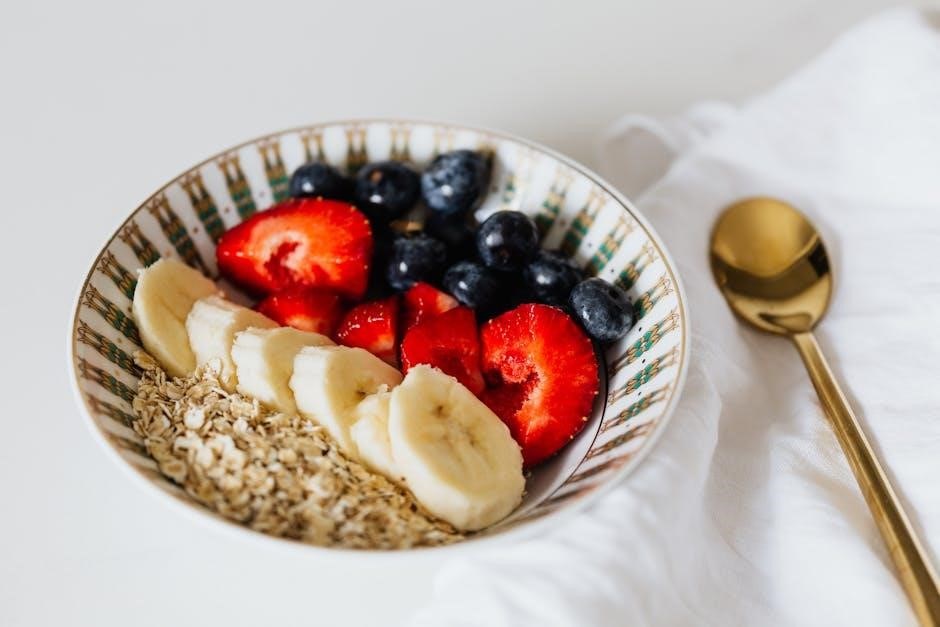
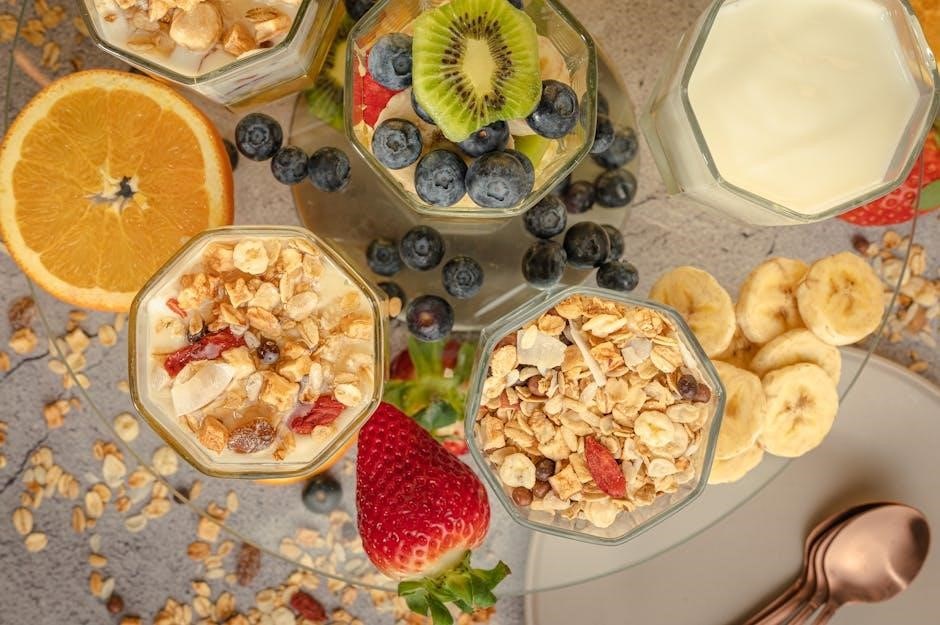
Building a fiber-rich meal plan centers around incorporating diverse sources of insoluble fiber throughout the day. Begin with a breakfast of whole-grain cereal or oatmeal, supplemented with berries. Lunch could feature a hearty salad with leafy greens, beans, and a sprinkle of seeds.
Dinner should prioritize vegetables – broccoli, cauliflower, or carrots – alongside a serving of brown rice or quinoa. Snacks can include apples with skin, pears, or a handful of nuts. Utilizing PDF guides detailing fiber content allows for precise portion control and informed choices.
Gradually increase your fiber intake to avoid digestive discomfort. Drink plenty of water to aid fiber’s passage through the digestive system. Remember, a balanced approach, combining various fiber-rich foods, yields the greatest health benefits.
Resources for Further Information (PDFs & Websites)
Numerous PDFs and websites offer detailed lists of insoluble fiber content in foods, aiding informed dietary choices for optimal digestive health and wellness.
Reliable sources, like Endotext, provide comprehensive data, empowering individuals to create fiber-rich meal plans and enhance their overall well-being.
Reliable Sources for Fiber Content Data
Accessing accurate fiber data is paramount for informed dietary planning. Several reputable sources provide comprehensive information on insoluble fiber content in various foods, often available in easily downloadable PDF formats.
Endotext, a respected online resource for medical education, features detailed tables, such as Table 8, outlining the fiber content of selected vegetables – a valuable resource for understanding insoluble fiber intake.
MDText.com, Inc., the publisher of Endotext, ensures the information is regularly updated and based on scientific evidence. Lifestyle Changes: Effect of Diet, Exercise, Functional Food, and Obesity Treatment on Lipids and Lipoproteins, updated in 2018, is a key reference.
Additionally, many university extension programs and agricultural websites offer downloadable PDFs listing fiber content in common foods. These resources often categorize foods by type, making it easier to identify excellent sources of insoluble fiber for inclusion in a balanced diet.
Remember to prioritize sources with clear citations and a commitment to scientific accuracy when researching fiber content.
PDF Guides to Insoluble Fiber Foods
Numerous PDF guides compile lists of foods rich in insoluble fiber, simplifying dietary planning. These resources often categorize foods – whole grains, vegetables, fruits, and legumes – for easy reference.
While a specific, universally endorsed “list of insoluble fiber foods pdf” isn’t prominently featured in the provided text, the information suggests seeking resources from university extension programs and agricultural websites.
These PDFs typically detail the fiber content per serving, aiding in accurate tracking of daily intake. They often highlight fiber-rich options within each food group, such as wheat bran, root vegetables, apples with skin, and kidney beans.
Furthermore, resources like Endotext (via MDText.com, Inc.) provide tables – like Table 8 – that can be adapted or referenced to create personalized insoluble fiber food lists. Remember to prioritize guides from reputable sources with scientific backing.
Utilizing these PDFs empowers individuals to make informed food choices and optimize their insoluble fiber consumption.