Yom Kippur Machzor PDF: A Comprehensive Guide (Updated March 30, 2026)
As of today, March 30, 2026, accessing a Yom Kippur Machzor PDF offers convenience and accessibility to this sacred liturgical text for observant communities worldwide․
The National Library of Israel (NLI) holds a vast collection, becoming a crucial resource for digital Machzorim as the High Holy Days approach each year․
What is a Machzor?
Machzor (מַחְזוֹר) is a special Jewish prayer book used on Rosh Hashanah and Yom Kippur – the High Holy Days․ Unlike the Siddur, used for daily prayers, the Machzor contains a unique set of prayers specifically designed for these solemn occasions․
These prayers are significantly longer and more elaborate, reflecting the heightened spiritual focus and themes of repentance, remembrance, and divine judgment central to the High Holy Days․ A Yom Kippur Machzor PDF, therefore, isn’t simply a digital version of a regular prayer book; it’s a comprehensive compilation of liturgical poetry, confessions, and supplications․
The content within a Machzor is structured to guide the worshipper through a deeply reflective and emotionally resonant experience․ It includes piyyutim (liturgical poems) and special readings not found in the daily or Shabbat Siddur․ Accessing a digital Yom Kippur Machzor PDF allows individuals to engage with these texts regardless of location or physical access to a printed copy, fostering a more inclusive and accessible spiritual practice․
Essentially, the Machzor is a roadmap for the soul during a period of intense introspection and renewal․
The Significance of the Yom Kippur Machzor
The Yom Kippur Machzor holds profound significance as it encapsulates the spiritual journey of repentance and atonement central to the holiest day in the Jewish calendar․ More than just a collection of prayers, it represents a communal and individual reckoning with the past year․
A Yom Kippur Machzor PDF facilitates access to these powerful liturgical texts, allowing individuals to fully participate in the day’s observances, even remotely․ The Machzor’s specific prayers – like the Vidui (confessional) and the extended Ne’ilah service – are designed to evoke deep introspection and a sincere desire for forgiveness․
Digitizing the Machzor, and making it available as a PDF, preserves and disseminates centuries of Jewish thought and tradition․ It allows for wider study and understanding of the complex themes explored within its pages․ The availability of a digital version ensures continuity of practice and learning, particularly valuable in times of limited access to physical synagogues or communities․
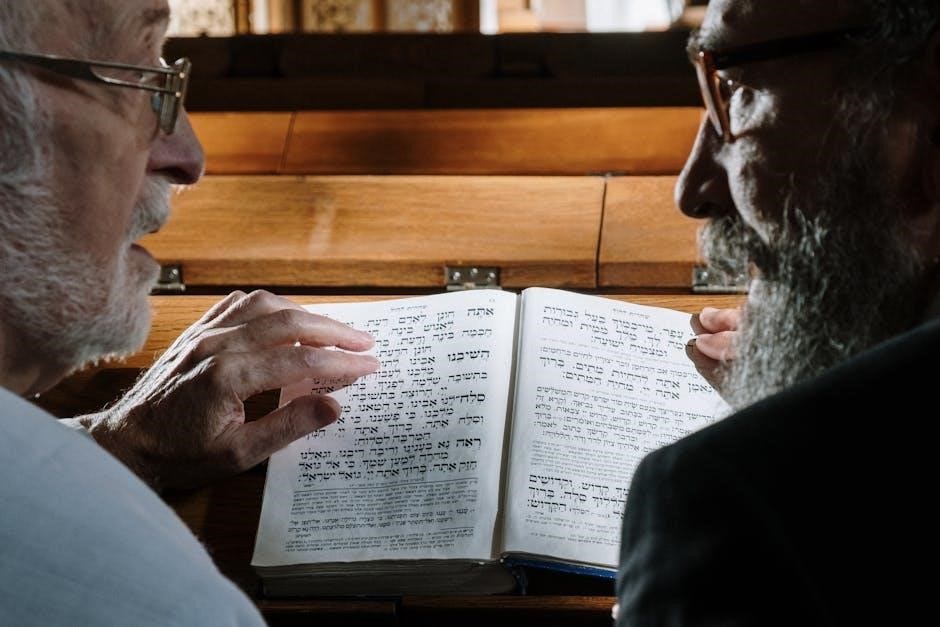
Ultimately, the Machzor is a tool for spiritual transformation․
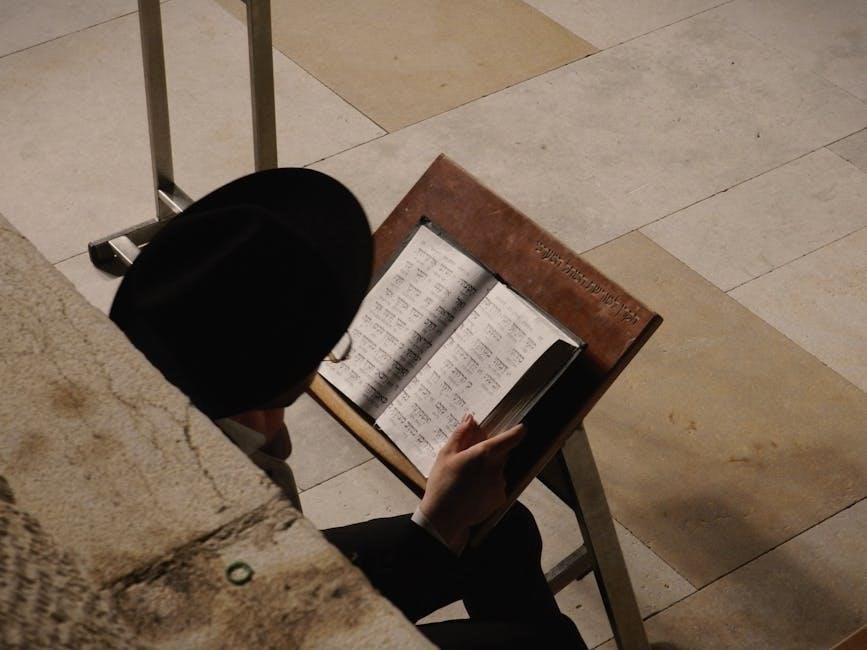
Historical Development of the Yom Kippur Machzor
The Yom Kippur Machzor’s evolution spans centuries, originating from early liturgical poems (piyyutim) added to the basic prayer framework․ Initially, these additions were fluid and varied regionally․ Over time, standardized versions began to emerge, influenced by prominent rabbinic authorities and communities, particularly in Ashkenazi and Sephardi traditions․
Early Machzorim were handwritten manuscripts, treasured possessions of synagogues and individuals․ The advent of printing in the 15th century revolutionized access, though variations persisted․ The creation of a Yom Kippur Machzor PDF represents the latest stage in this evolution – a digital preservation and dissemination of these historical texts․
The National Library of Israel (NLI) houses a remarkable collection of these historical Machzorim, offering invaluable insights into the development of the liturgy․ Digitization efforts, resulting in PDF formats, allow scholars and the public to study these historical documents, tracing the changes and continuities in Jewish prayer practice across generations․
These digital archives are vital for understanding our spiritual heritage․

Finding Yom Kippur Machzor PDFs Online
Locating Yom Kippur Machzor PDFs requires exploring reputable digital libraries and archives, such as the National Library of Israel, offering convenient access․
Sefaria and HebrewBooks․org are also excellent resources․
Reputable Sources for Digital Machzorim
Accessing a Yom Kippur Machzor PDF from trusted sources ensures authenticity and a respectful experience with this sacred text․ Several institutions dedicate themselves to preserving and providing digital access to Jewish liturgical materials․
The National Library of Israel (NLI) stands out as a premier repository, boasting one of the world’s largest collections of Machzorim․ Their digital library offers high-quality scans, often including historical editions, allowing for scholarly study and personal use․ Navigating their website requires some familiarity with Hebrew terms, but the breadth of their collection is unparalleled․
Sefaria is another invaluable resource, offering a user-friendly interface and a fully searchable database of Jewish texts, including the Yom Kippur Machzor․ Sefaria’s texts are often presented with translations and commentaries, making them accessible to a wider audience․ HebrewBooks․org provides a vast archive of digitized Jewish books, including numerous Machzorim in PDF format․ While the quality of scans can vary, it remains a significant resource for finding older or less common editions․

Always prioritize sources known for their commitment to accurate textual representation and respect for Jewish tradition․
The National Library of Israel (NLI) Collection
The National Library of Israel (NLI) in Jerusalem houses a remarkably extensive collection of Yom Kippur Machzor PDFs and physical texts, arguably the largest globally․ This makes it an unparalleled resource for those seeking to explore the historical and textual variations of the Machzor․
The NLI’s digital collection includes Machzorim from diverse Jewish communities spanning centuries․ Researchers and individuals can access digitized versions of rare and historically significant editions, offering insights into evolving liturgical practices․ The weeks preceding the High Holy Days often see increased attention to the NLI’s resources as communities prepare for Yom Kippur․
While navigating the NLI’s digital library may require some proficiency in Hebrew, the wealth of material available is substantial․ The collection encompasses Sephardi, Ashkenazi, and other communal traditions, providing a comprehensive overview of the Machzor’s development․ The NLI’s commitment to preservation ensures these vital texts remain accessible for generations to come․
Sefaria’s Digital Machzor Resources
Sefaria offers a readily accessible and user-friendly platform for exploring Yom Kippur Machzor content digitally․ Unlike a direct PDF download of an entire Machzor, Sefaria provides the text of the prayers and readings in a structured, searchable format․
This allows users to easily navigate between different sections of the service, access translations and commentaries, and study the liturgy in depth․ Sefaria’s interface is available in multiple languages, broadening its accessibility to a global audience․ The platform continually expands its library, incorporating variations from different traditions․
While not a single downloadable PDF, Sefaria effectively functions as a digital Machzor, offering a dynamic and interactive experience․ Users can create personalized study sheets and share insights with others․ Sefaria’s open-source nature and collaborative editing model ensure the accuracy and ongoing improvement of its resources, making it a valuable tool for both scholars and laypeople․
HebrewBooks․org and Similar Archives
HebrewBooks․org serves as a significant digital repository for scanned Yom Kippur Machzorim, offering a diverse collection of PDFs from various communities and historical periods․ Users can find complete Machzorim, often representing specific nusach (liturgical tradition) variations․ Similar archives, like the Internet Archive, also host digitized Machzorim, expanding the available resources․
However, the quality of these PDFs can vary considerably, ranging from clear, searchable documents to scans with imperfections․ Many are older publications, providing valuable insight into the evolution of the liturgy․ Users should be aware that these archives often contain texts without accompanying translations or commentaries․
Navigating these sites requires patience and careful searching, utilizing keywords like “Machzor Yom Kippur” and specific community names․ While offering a wealth of historical material, verifying the authenticity and accuracy of the text is crucial when using these resources for liturgical purposes․

Understanding the Content of a Yom Kippur Machzor
Yom Kippur Machzor PDFs contain core services: Kol Nidre, central prayers for atonement, Yizkor for remembrance, and Ne’ilah, the concluding service․
Kol Nidre: The Opening Prayer
Kol Nidre, initiating the Yom Kippur service within a Machzor PDF, is arguably the most recognizable and emotionally resonant prayer of the entire day․ It’s traditionally recited before sunset, marking the formal commencement of the fast and the period of intense introspection․
The prayer itself is unique; it’s an annulment of vows made unintentionally throughout the year․ However, it doesn’t absolve obligations to other people, only those made to God․ A Yom Kippur Machzor PDF will present the Aramaic text alongside a Hebrew transliteration and often, a translation to aid understanding․
Digitized versions allow users to follow along with recordings of the chazzan (cantor), enhancing the experience․ Many PDF Machzorim include commentary explaining the historical context and theological nuances of Kol Nidre, addressing common misconceptions about its purpose and meaning․ The visual layout within the PDF often emphasizes the solemnity of the moment, using distinct typography and spacing․
Yizkor: The Memorial Service
Yizkor, the poignant memorial service within the Yom Kippur Machzor PDF, occurs during the afternoon of Yom Kippur․ It’s a time for communal and personal remembrance of deceased loved ones, offering prayers for their souls and reaffirming the enduring bonds of family and community․
A Machzor PDF dedicated to Yom Kippur will contain specific Yizkor prayers for fathers, mothers, spouses, and other relatives․ These prayers often include a Kaddish, a sanctification of God’s name, recited in their memory․ The digital format allows for easy navigation to the appropriate section during the service․
Many PDF versions offer transliterations and translations, making the service accessible to those less familiar with Hebrew․ Some include biographical sections for individuals to privately recall specific memories․ The layout within the Machzor PDF often features a visually distinct design for Yizkor, reflecting its solemn and deeply personal nature․
Ne’ilah: The Closing Service
Ne’ilah, meaning “closing of the gates,” represents the culminating service of Yom Kippur, and is a critical component within any complete Yom Kippur Machzor PDF․ This service is characterized by a sense of urgency and finality, as the metaphorical gates of repentance are believed to close with the setting sun․
A Machzor PDF will feature distinct Ne’ilah prayers, including powerful declarations of God’s sovereignty and pleas for forgiveness․ The service builds in intensity, often incorporating repetitions and heightened emotional expression․ Digital versions frequently highlight key passages for focused contemplation․
The PDF format allows users to easily follow along with the service, even with complex melodies and readings․ Some Machzor PDFs include annotations explaining the historical and theological significance of Ne’ilah․ The concluding Shofar blast, signaling the end of Yom Kippur, is often noted within the digital text, marking a moment of profound release․

Navigating a Yom Kippur Machzor PDF
Yom Kippur Machzor PDFs offer convenient access, but require understanding their features; utilizing search functions and considering printing options enhances the user experience significantly․
PDF Features and Accessibility
Yom Kippur Machzor PDFs, while incredibly useful, present unique navigational considerations․ Modern PDF readers offer a range of features to enhance accessibility and usability․ Zoom functionality is paramount, allowing users to adjust the text size for comfortable reading, especially crucial for those with visual impairments or when using the Machzor during services․
Hyperlinks within the PDF can facilitate quick movement between sections – for example, directly to Kol Nidre or Yizkor․ Many PDFs are searchable, enabling users to locate specific prayers or passages instantly․ Layered PDFs might include transliterations alongside the Hebrew text, aiding those less familiar with the language․
However, accessibility isn’t guaranteed․ Older or poorly scanned PDFs may lack these features․ Text recognition (OCR) quality impacts searchability․ Users should verify the PDF’s accessibility before relying on it for communal use, ensuring everyone can participate fully in the Yom Kippur observance․ Consider using assistive technologies like screen readers for optimal access․
Search Functionality within PDFs
Effective search functionality is a cornerstone of a useful Yom Kippur Machzor PDF․ A robust search feature allows users to quickly locate specific prayers, poems (piyyutim), or sections within the extensive liturgy․ This is particularly valuable during the lengthy Yom Kippur services, enabling swift navigation to the appropriate place․
However, the success of a search depends heavily on the quality of the PDF’s Optical Character Recognition (OCR)․ If the PDF was created from a scan with poor resolution or inaccurate OCR, search results may be incomplete or contain errors․ Searching for Hebrew terms requires the PDF to correctly recognize the Hebrew characters․
Boolean operators (AND, OR, NOT) can refine searches, while case sensitivity settings may impact results․ Users should experiment with different search terms and techniques to maximize accuracy․ Always double-check the context of search results to ensure they correspond to the intended prayer or passage within the Machzor․
Printing Considerations for Machzor PDFs
Printing a Yom Kippur Machzor PDF requires careful consideration to ensure readability and usability during services․ Paper quality is paramount; thicker paper prevents bleed-through and provides a more substantial feel․ Duplex printing (printing on both sides) can significantly reduce paper consumption, but verify the PDF is formatted correctly for double-sided printing to avoid misaligned pages․
Font size and clarity are crucial, especially for extended reading․ Test print a sample page to assess readability before printing the entire Machzor․ Consider printing in landscape mode if the original layout is wide․ Binding options range from simple stapling to more durable methods like coil or saddle-stitch binding, depending on anticipated usage․
Ink consumption can be high due to the length of the Machzor and potential use of color․ Adjust printer settings for draft quality to conserve ink if necessary, balancing print quality with resource efficiency․
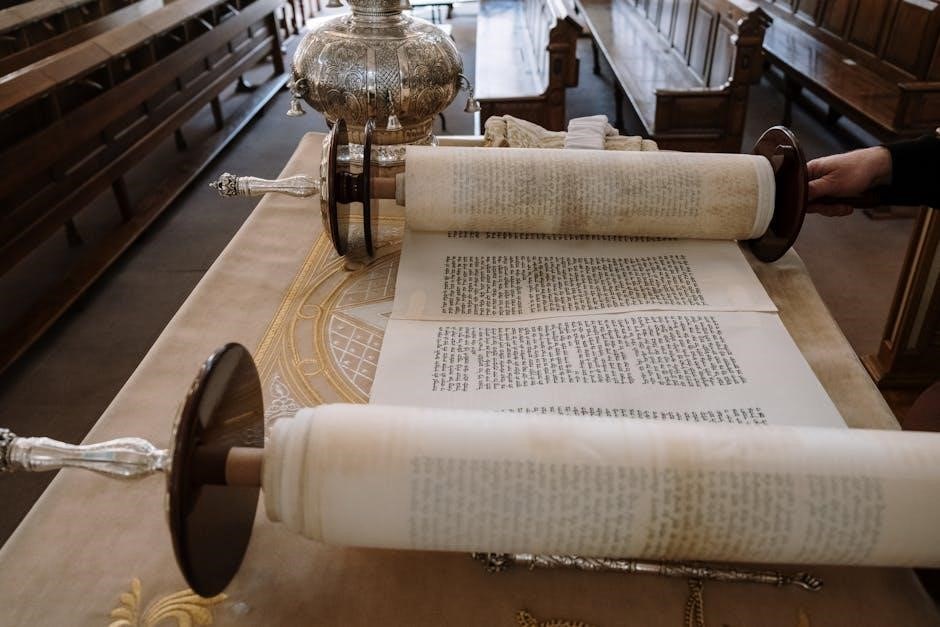
Legal and Ethical Considerations
Utilizing Yom Kippur Machzor PDFs necessitates respecting copyright laws and ensuring fair use of the sacred text, maintaining its authenticity and reverence for all․
Copyright and Fair Use
When accessing Yom Kippur Machzor PDFs, understanding copyright is paramount․ Many Machzorim are still protected by copyright, even in digital formats, belonging to publishers or communities․
Downloading and distributing these PDFs without permission can infringe upon these rights․ “Fair use” doctrines may apply for personal study or limited educational purposes, but broad dissemination is generally prohibited․
Consider that some older Machzorim may be in the public domain, allowing for free distribution․ However, verifying the copyright status is crucial before sharing any PDF․
Reputable sources, like the National Library of Israel (NLI) or Sefaria, often provide materials with clear usage guidelines․ Always check these guidelines before downloading or using a Yom Kippur Machzor PDF to ensure compliance with legal and ethical standards․
Respecting intellectual property rights upholds the integrity of these sacred texts and supports the communities that preserve them․
Respecting the Sacred Text
Utilizing a Yom Kippur Machzor PDF demands reverence and mindful engagement․ These texts contain prayers and poems of profound spiritual significance, central to the holiest day in the Jewish year․
Treating the digital document with the same respect as a physical Machzor is essential․ Avoid casual handling or disrespectful alterations․ Ensure a quiet and appropriate environment when studying or praying from the PDF․
Recognize that the text represents centuries of tradition and devotion․ Approach it with humility and a sincere intention to connect with its meaning․
While digital access offers convenience, it shouldn’t diminish the sense of sacredness․
Consider printing sections for focused study, but always handle printed pages with care․ Maintaining the integrity of the text, whether digital or physical, honors its spiritual weight and the community that cherishes it․

Authenticity and Textual Variations
Yom Kippur Machzor PDFs, while readily available, can exhibit textual variations depending on their origin and tradition․ Different communities – Ashkenazi, Sephardi, and others – employ distinct liturgical customs reflected in the Machzor’s content․
When using a digital version, it’s crucial to identify its source and the specific nusach (liturgical tradition) it represents․ The National Library of Israel’s collection, for example, showcases diverse Machzorim․
Be aware that older PDFs might contain typesetting errors or variations from standard texts․ Comparing multiple sources can help ensure accuracy․
Sefaria and HebrewBooks․org often indicate textual lineages, aiding in verification․
Understanding these nuances is vital for maintaining liturgical integrity and respecting the specific practices of your community․ Authenticity isn’t solely about error-free text, but also about aligning with established tradition․

Alternative Formats & Resources
Beyond Yom Kippur Machzor PDFs, explore online streaming services and mobile applications offering Machzor content for convenient access during the High Holy Days․
Online Streaming of Yom Kippur Services
Increasingly, communities worldwide are offering live streams of Yom Kippur services, providing access for those unable to attend synagogue in person․ These streams often incorporate a digital Yom Kippur Machzor, displayed on screen or linked for viewers to follow along․
Many synagogues utilize platforms like YouTube, Facebook Live, or dedicated streaming services to broadcast services․ Some offer interactive features, allowing viewers to participate in prayers and readings virtually․ This is particularly valuable for individuals who are ill, traveling, or live in areas with limited Jewish communal resources․
When utilizing these streams, it’s important to verify the source’s authenticity and ensure the digital Machzor aligns with your tradition; While convenient, streaming services shouldn’t replace the experience of communal prayer when possible, but they offer a vital connection to the Yom Kippur observance․
Furthermore, some platforms provide archived recordings, allowing individuals to revisit specific portions of the service or access it at a more convenient time․ This accessibility expands the reach of Yom Kippur observance beyond geographical limitations․
Mobile Apps with Machzor Content
Several mobile applications now offer comprehensive Yom Kippur Machzor content, providing a convenient alternative to physical books or PDF downloads․ These apps often feature interactive elements, such as audio pronunciations, translations, and customizable settings for different traditions․
Popular apps include those developed by Sefaria, which integrates its extensive digital library, and others specifically designed for High Holy Day observance․ Many allow users to bookmark pages, highlight text, and even participate in virtual communities․
The advantage of mobile apps lies in their portability and accessibility․ Users can access the Machzor on their smartphones or tablets, making it ideal for travel or situations where a physical book is impractical․ Offline access is a common feature, ensuring usability even without an internet connection․
However, it’s crucial to choose reputable apps from trusted developers to ensure accuracy and adherence to Jewish law․ Regularly updating the app guarantees access to the latest corrections and features․