Article Plan: The Hundred Years War on Palestine (PDF Focus)
This analysis dissects a century of conflict‚ acknowledging inherent historical biases‚ particularly a Palestinian perspective framing events as colonization. It explores the distinction between state-sponsored violence and anti-colonial resistance‚ recognizing Palestinian actions within that context.
The proposition of characterizing the Israeli-Palestinian conflict as a “Hundred Years’ War” – a prolonged‚ multi-generational struggle – necessitates a critical examination of its historical underpinnings and the narratives that shape our understanding. This framing‚ as presented in the PDF focus‚ isn’t merely a rhetorical device; it suggests a deeply entrenched conflict exceeding typical geopolitical disputes‚ demanding a comprehensive‚ long-term perspective.
Central to this analysis is acknowledging the inherent biases within historical accounts. All history is filtered through the lens of the historian‚ and in this case‚ the author’s Palestinian background and familial involvement in Palestinian politics are explicitly stated biases. Recognizing this isn’t to discredit the narrative‚ but to contextualize it‚ understanding that the conflict is viewed through the prism of colonization and dispossession.
Furthermore‚ the PDF’s approach challenges conventional interpretations that often prioritize Israeli security concerns while minimizing Palestinian experiences. The framing implicitly questions the narrative of Israel as a perpetually besieged nation under constant terrorist attack‚ arguing that this overlooks fundamental realities regarding statehood and historical power dynamics. Palestine‚ unlike Israel‚ has never existed as a sovereign state in the modern sense‚ operating instead under foreign rule‚ lacking the unifying force of a national government.
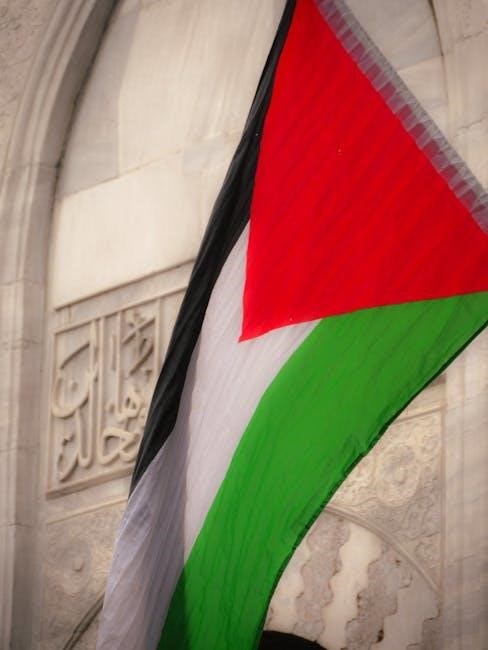
This introduction sets the stage for a nuanced exploration‚ acknowledging Palestinian grievances and the context of anti-colonial resistance‚ even when involving acts deemed “terrorism” by the international community. It’s a conflict where the perpetrators lack the conventional military capabilities of states‚ resorting to tactics born of desperation and a struggle for self-determination.
II. The Historical Context: Pre-1917 Palestine
Prior to 1917‚ Palestine wasn’t a unified‚ independent nation-state‚ but a region within the Ottoman Empire for centuries. This foundational understanding is crucial when analyzing the subsequent conflict‚ as it establishes a historical precedent of external rule. The population was predominantly Arab‚ comprised of diverse communities – Muslim‚ Christian‚ and Jewish – coexisting‚ albeit with varying degrees of social and economic stratification.
The land held significant religious importance for Judaism‚ Christianity‚ and Islam‚ fostering a complex interplay of faith and identity. Jewish communities maintained a continuous presence in Palestine‚ though a relatively small minority‚ often facing periods of persecution and displacement. The concept of a distinct “Palestinian” national identity was nascent‚ largely emerging in response to increasing external pressures and the rise of Arab nationalism in the late 19th and early 20th centuries.
Land ownership was a complex issue‚ with a mix of state-owned land‚ communal village lands‚ and privately held properties. While some Jewish individuals and organizations had acquired land through purchase‚ the vast majority remained in Arab hands. This pre-existing land tenure system would become a central point of contention with the influx of Zionist settlers.
Crucially‚ the PDF’s framing of the conflict as a “Hundred Years’ War” necessitates recognizing this pre-1917 context as the starting point of a long-term struggle for control and self-determination‚ not as a vacuum awaiting Zionist colonization‚ but as a society with its own history and identity.
III. The British Mandate & Early Zionist Activity (1917-1947)
The Balfour Declaration of 1917‚ a pivotal moment‚ signaled British support for “the establishment in Palestine of a national home for the Jewish people‚” fundamentally altering the region’s trajectory. This promise‚ made to Zionist leaders‚ contradicted assurances given to Arab leaders regarding self-determination‚ laying the groundwork for future conflict. The British Mandate‚ formally established in 1920‚ oversaw increasing Jewish immigration‚ fueled by Zionist organizations purchasing land and establishing settlements.
Early Zionist activity focused on building infrastructure‚ agricultural communities (kibbutzim)‚ and institutions intended to lay the foundations for a future Jewish state. This development‚ however‚ occurred at the expense of the existing Palestinian Arab population‚ who viewed the influx of immigrants and land acquisitions as a threat to their livelihoods and national aspirations. Tensions escalated throughout the 1920s and 30s‚ marked by Arab revolts and increasing violence.
British policies often attempted to balance competing interests‚ but were largely perceived as favoring Zionist goals. Restrictions on Arab land sales and immigration were less stringent than those applied to Jewish immigration‚ exacerbating Palestinian grievances. The PDF’s perspective highlights this period as the beginning of a colonial project‚ with the British facilitating the dispossession of Palestinians;
By 1947‚ the situation had reached a critical point‚ with the United Nations proposing a partition plan dividing Palestine into separate Arab and Jewish states. This plan‚ rejected by Arab leaders‚ set the stage for the 1948 war.
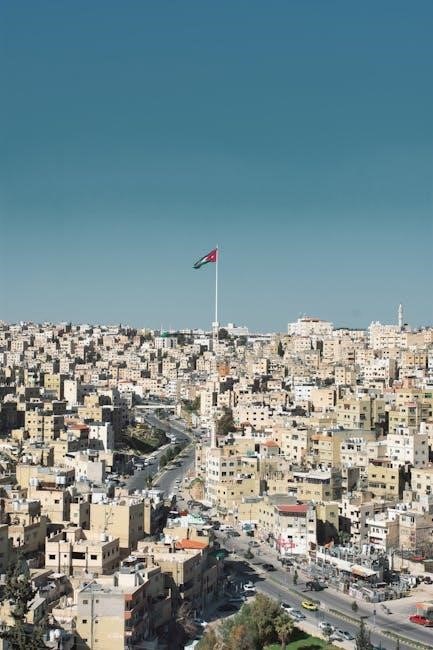
IV. The 1948 Arab-Israeli War: The “Nakba”
The 1948 Arab-Israeli War‚ triggered by the rejection of the UN Partition Plan‚ resulted in a decisive victory for the newly declared State of Israel and a catastrophic displacement of the Palestinian Arab population – an event known as the “Nakba” (catastrophe). The war saw the involvement of neighboring Arab states – Egypt‚ Jordan‚ Syria‚ Lebanon‚ and Iraq – who intervened to support Palestinian Arabs‚ but were ultimately defeated by better-equipped and organized Israeli forces.
The conflict was characterized by intense fighting‚ ethnic cleansing‚ and widespread violence on both sides. Israeli forces systematically expelled or forced the flight of hundreds of thousands of Palestinians from their homes and villages‚ creating a massive refugee crisis. The PDF emphasizes this expulsion as a deliberate policy aimed at establishing a Jewish majority state.
The outcome of the war dramatically altered the map of Palestine. Israel expanded its territory beyond the boundaries proposed in the UN Partition Plan‚ controlling approximately 78% of the land. The remaining areas – the West Bank‚ annexed by Jordan‚ and the Gaza Strip‚ administered by Egypt – became home to Palestinian refugees living in camps.
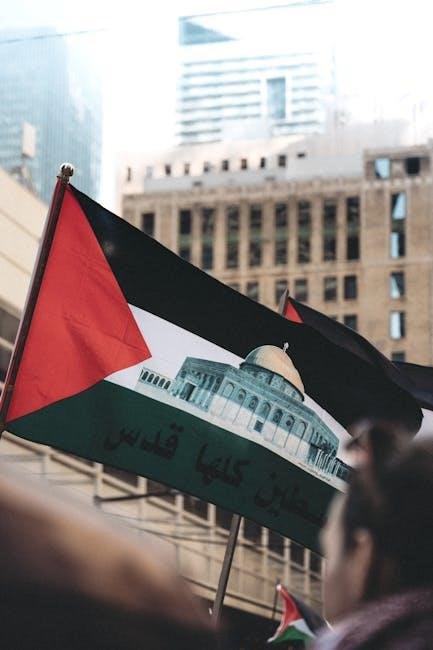
The Nakba represents a foundational trauma for Palestinians‚ marking the loss of their homeland and the beginning of a decades-long struggle for self-determination. The PDF frames this event as a core example of colonial dispossession and the ongoing consequences of the conflict.
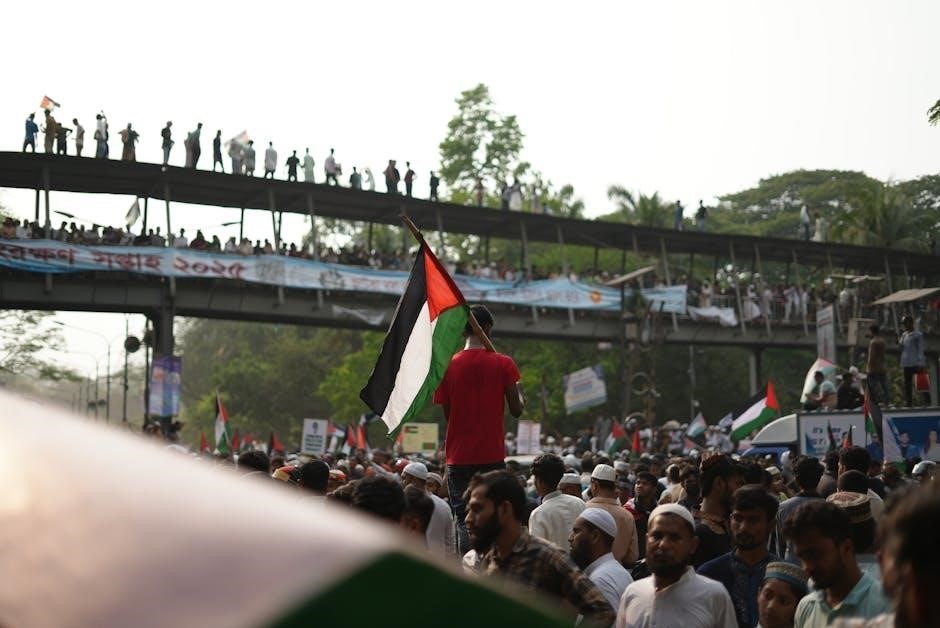
V. Palestinian Refugee Crisis: Origins and Consequences
The Palestinian refugee crisis‚ originating with the 1948 Arab-Israeli War and exacerbated by subsequent conflicts‚ remains a central and unresolved issue in the Israeli-Palestinian conflict. The “Nakba” saw over 700‚000 Palestinians expelled or flee their homes‚ seeking refuge in neighboring Arab countries – Jordan‚ Lebanon‚ Syria‚ and the Gaza Strip. This initial displacement created a generation of refugees dependent on international aid.
The PDF highlights the deliberate nature of many expulsions‚ arguing they were part of a broader Israeli strategy to create a Jewish majority state. Subsequent wars‚ particularly the 1967 Six-Day War‚ led to further waves of displacement‚ increasing the refugee population significantly. UN Resolution 194 affirmed the right of return for Palestinian refugees‚ a right Israel has consistently denied.
The consequences of the refugee crisis are far-reaching. Refugee camps have become symbols of Palestinian dispossession and statelessness‚ often characterized by poverty‚ overcrowding‚ and limited access to basic services. The denial of the right of return fuels Palestinian grievances and contributes to ongoing instability.
Furthermore‚ the intergenerational transmission of refugee status perpetuates the crisis‚ with descendants of original refugees also claiming the right of return. The PDF emphasizes the psychological and social trauma experienced by refugees‚ and the enduring impact on Palestinian identity and collective memory.
VI. The Suez Crisis (1956) & Palestinian Involvement
The 1956 Suez Crisis‚ triggered by Egypt’s nationalization of the Suez Canal‚ became intricately linked to the Palestinian issue‚ offering a temporary shift in the dynamics of the conflict. Israel‚ in collusion with Britain and France‚ saw an opportunity to weaken Egypt‚ a key supporter of Palestinian resistance movements‚ particularly those operating from the Gaza Strip.
The PDF details how Israel’s invasion of the Sinai Peninsula‚ under the guise of Operation Kadesh‚ aimed to eliminate fedayeen (guerrilla) bases and assert Israeli control over the Straits of Tiran. Palestinian fighters‚ though largely overshadowed by the larger military powers‚ actively participated in resisting the Israeli advance‚ often engaging in guerilla warfare tactics.
Palestinian involvement was complicated by their alignment with Egypt under Gamal Abdel Nasser‚ who championed pan-Arabism and supported the Palestinian cause. However‚ the crisis also exposed the limitations of Arab solidarity and the vulnerability of Palestinian interests to the geopolitical calculations of regional powers.
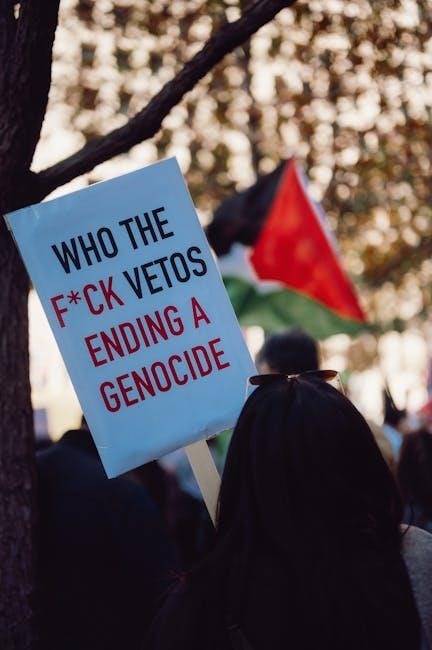
The international pressure‚ particularly from the United States and the Soviet Union‚ ultimately forced the withdrawal of Israeli‚ British‚ and French forces. The Suez Crisis‚ while not directly resolving the Palestinian issue‚ demonstrated the potential for international intervention and the complex interplay between regional conflicts and global power dynamics‚ shaping future Palestinian strategies.
VII. The Palestine Liberation Organization (PLO): Formation & Evolution
The Palestine Liberation Organization (PLO)‚ formed in 1964‚ represented a pivotal moment in the Palestinian national movement‚ shifting from earlier‚ fragmented resistance efforts towards a unified political and military strategy. The PDF highlights its initial aim: the liberation of Palestine through armed struggle‚ as articulated in the Palestinian National Covenant.
Initially led by Ahmed Shukeiri‚ the PLO quickly became a symbol of Palestinian identity and resistance‚ gaining recognition from various Arab states. However‚ internal divisions and ideological differences plagued the organization‚ particularly between factions advocating for different approaches to achieving liberation.
Yasser Arafat’s leadership‚ beginning in 1969‚ marked a significant turning point. He consolidated power within the PLO and established a more centralized command structure. Arafat skillfully navigated the complex landscape of international politics‚ securing recognition and support from non-Arab nations.
The PLO’s evolution involved a gradual shift from purely military operations to a more nuanced approach encompassing diplomacy and political negotiation. The PDF details the controversial decision in 1988 to recognize Israel’s right to exist‚ paving the way for the Oslo Accords. Despite internal challenges and external pressures‚ the PLO remained the primary representative of the Palestinian people for decades.
VIII. The Six-Day War (1967): Occupation & Shifting Dynamics
The Six-Day War of 1967 dramatically reshaped the geopolitical landscape of the Middle East and profoundly impacted the Palestinian cause. The PDF meticulously details Israel’s preemptive strikes against Egypt‚ Jordan‚ and Syria‚ resulting in a swift and decisive victory. This victory‚ however‚ came at a significant cost for Palestinians.
Israel’s occupation of the West Bank‚ Gaza Strip‚ East Jerusalem‚ and the Golan Heights marked a turning point‚ extending Israeli control over territories inhabited by a large Palestinian population. The PDF emphasizes the immediate consequences: displacement of hundreds of thousands of Palestinians‚ the establishment of Israeli settlements‚ and the imposition of military rule.
The war fundamentally altered the dynamics of the conflict. The PLO‚ previously operating from neighboring Arab states‚ faced increased challenges in launching attacks against Israel. The PDF analyzes the rise of new Palestinian resistance groups and the intensification of armed struggle.
Resolution 242‚ passed by the UN Security Council‚ called for Israel’s withdrawal from occupied territories in exchange for peace and recognition. However‚ the PDF highlights the ongoing disputes over the interpretation of this resolution and its implementation‚ contributing to the prolonged stalemate in the Israeli-Palestinian conflict.
IX. The Yom Kippur War (1973) & its Impact on Palestine
The Yom Kippur War‚ launched by Egypt and Syria in October 1973‚ initially caught Israel off guard‚ dramatically shifting the power dynamics in the region. The PDF meticulously examines the early successes of the Arab offensive and the subsequent Israeli counterattacks‚ ultimately leading to a stalemate. While not directly initiated by Palestinian forces‚ the war profoundly impacted their situation.
The conflict indirectly bolstered the PLO’s international standing. Recognized as a legitimate representative of the Palestinian people‚ the PLO gained increased diplomatic leverage and a platform to voice Palestinian grievances on the world stage. The PDF details Yasser Arafat’s address to the UN General Assembly‚ a landmark moment in Palestinian political history.
The war’s aftermath led to the Geneva Peace Conference in 1973‚ co-chaired by the US and the Soviet Union‚ aiming to achieve a comprehensive peace settlement. However‚ the PDF highlights the conference’s failure to address the core issue of Palestinian self-determination‚ contributing to continued frustration and violence.
The war also prompted internal debate within Israel regarding the long-term viability of occupying Palestinian territories. The PDF analyzes the growing recognition within Israeli society of the need for a negotiated solution‚ albeit one that prioritized Israeli security concerns.
X. The First Intifada (1987-1993): Grassroots Resistance
The First Intifada‚ erupting in December 1987‚ marked a pivotal shift in the Palestinian struggle‚ transitioning from largely external‚ PLO-led resistance to a widespread‚ grassroots uprising within the occupied territories. The PDF meticulously details the spontaneous nature of the Intifada‚ triggered by an accidental collision between an Israeli truck and a Palestinian van in Gaza.
This uprising was characterized by non-violent forms of resistance – mass demonstrations‚ strikes‚ boycotts of Israeli products‚ and the establishment of alternative Palestinian institutions. The PDF analyzes the effectiveness of these tactics in disrupting Israeli control and raising international awareness of the Palestinian plight.
However‚ the Intifada also witnessed escalating violence from both sides. Israeli forces responded with harsh repression‚ including live ammunition‚ mass arrests‚ and administrative detentions. The PDF documents the significant number of Palestinian casualties and the widespread human rights abuses committed during this period.
The Intifada ultimately created the conditions for the Oslo Accords. The PDF argues that the sustained Palestinian resistance forced Israel to acknowledge the need for direct negotiations with the PLO‚ paving the way for a potential‚ though ultimately flawed‚ peace process.
XI. The Oslo Accords (1993-2000): A Failed Peace Process?
The Oslo Accords‚ signed in 1993 and 1995‚ represented a watershed moment‚ offering a framework for a two-state solution. The PDF critically examines the Accords‚ detailing the phased transfer of control from Israel to the Palestinian Authority (PA) in the West Bank and Gaza Strip. It highlights the initial optimism and the belief that a lasting peace was finally attainable.
However‚ the PDF argues that the Accords were fundamentally flawed‚ failing to address core issues such as the status of Jerusalem‚ the right of return for Palestinian refugees‚ and the continued expansion of Israeli settlements. These unresolved issues‚ the document asserts‚ ultimately undermined the peace process.
The PDF meticulously details the growing Palestinian disillusionment with the Oslo process‚ fueled by the perception that the PA was becoming increasingly authoritarian and corrupt‚ and that Israel was not genuinely committed to a two-state solution. This disillusionment contributed to the outbreak of the Second Intifada.
Ultimately‚ the Oslo Accords are presented not as a complete failure‚ but as a missed opportunity. The PDF concludes that the Accords established a framework for future negotiations‚ but their inherent weaknesses and the lack of political will on both sides prevented them from achieving a lasting peace.
XII. The Second Intifada (2000-2005): Escalation of Violence
The Second Intifada‚ erupting in 2000‚ marked a dramatic escalation of the Israeli-Palestinian conflict. This PDF section meticulously details the events‚ beginning with Ariel Sharon’s controversial visit to the Temple Mount/Haram al-Sharif and the subsequent outbreak of widespread protests and clashes. It analyzes the shift from largely non-violent demonstrations to armed resistance.
The document examines the increased role of Palestinian militant groups‚ alongside the PA security forces‚ in confronting Israeli military presence. It details the use of suicide bombings by Hamas and other groups targeting Israeli civilians‚ and Israel’s forceful response‚ including military incursions into Palestinian territories and targeted assassinations.
The PDF highlights the devastating human cost of the Intifada‚ documenting the significant loss of life on both sides‚ as well as the widespread destruction of infrastructure. It analyzes the impact of the violence on Palestinian society‚ including the economic hardship and the erosion of trust in the peace process.
Furthermore‚ the section explores the political ramifications of the Intifada‚ including the weakening of Yasser Arafat’s authority and the rise of Hamas. It concludes that the Second Intifada represented a profound setback for peace efforts‚ deepening the cycle of violence and mistrust.
XIII. Hamas & the Gaza Strip: Political Control & Blockade
This section of the PDF focuses on the pivotal shift in Palestinian politics following Hamas’s victory in the 2006 Palestinian legislative elections and its subsequent consolidation of power in the Gaza Strip after the 2007 conflict with Fatah. It details the complex power dynamics and the resulting division of Palestinian governance between the West Bank and Gaza.
The document thoroughly examines the Israeli and Egyptian blockade imposed on Gaza‚ initiated following Hamas’s takeover. It analyzes the stated justifications for the blockade – security concerns related to Hamas’s militant activities – and its devastating humanitarian consequences for the Gazan population‚ including restricted movement‚ shortages of essential goods‚ and economic collapse.
The PDF details Hamas’s governance of Gaza‚ including its social programs‚ security apparatus‚ and military build-up. It explores the organization’s ideology‚ its relationship with regional and international actors‚ and its ongoing conflict with Israel‚ characterized by periodic escalations of violence.
Furthermore‚ the analysis assesses the impact of the blockade on the radicalization of Gazan youth and the perpetuation of a cycle of violence. It concludes by examining the challenges and prospects for a sustainable resolution to the situation in Gaza‚ considering the complex interplay of political‚ security‚ and humanitarian factors.
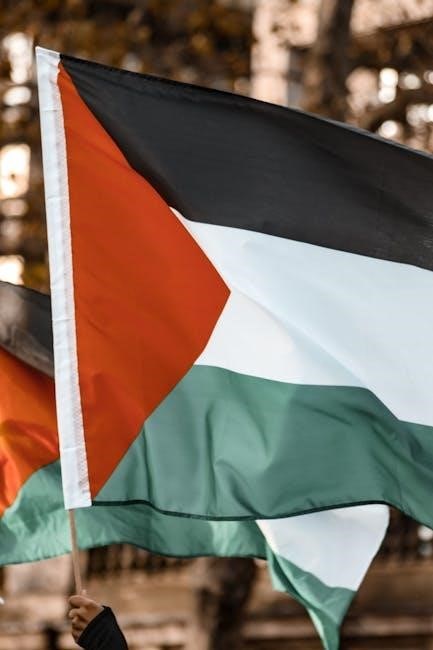
XIV. Operation Cast Lead (2008-2009): Gaza Conflict Analysis
This PDF section provides a detailed analysis of Operation Cast Lead‚ Israel’s large-scale military operation in the Gaza Strip from December 2008 to January 2009. It contextualizes the operation within the broader history of the Israeli-Palestinian conflict‚ focusing on the preceding period of escalating tensions and rocket fire from Gaza into Israel.
The document meticulously examines the stated objectives of the operation – to halt Hamas rocket attacks and dismantle its infrastructure – and assesses the extent to which these objectives were achieved; It details the military tactics employed by both sides‚ including Israeli airstrikes‚ ground incursions‚ and Hamas’s use of tunnels and improvised explosive devices.
A critical component of the analysis is a thorough investigation into allegations of war crimes committed by both Israel and Hamas during the conflict. This includes examining reports of indiscriminate targeting of civilians‚ destruction of civilian infrastructure‚ and the use of human shields.
The PDF also assesses the humanitarian impact of the operation‚ documenting the high number of Palestinian casualties‚ the widespread destruction of homes and infrastructure‚ and the resulting displacement of civilians. It concludes by evaluating the long-term consequences of Operation Cast Lead on the political and security landscape of Gaza and the broader Israeli-Palestinian conflict.
XV. Operation Pillar of Defense (2012): Further Gaza Escalation
This PDF segment delves into Operation Pillar of Defense‚ Israel’s military operation in Gaza during November 2012. It frames the operation as a continuation of the cyclical escalation of violence stemming from the unresolved Israeli-Palestinian conflict‚ specifically focusing on the increased rocket fire from Gaza and Israel’s response.
The document meticulously outlines the events leading up to the operation‚ including the assassination of Ahmed Jabari‚ a senior Hamas military commander‚ and the subsequent surge in rocket attacks targeting Israeli cities. It details the Israeli military’s objectives – to degrade Hamas’s rocket capabilities and disrupt its command and control infrastructure – and the tactics employed to achieve them.
A key aspect of the analysis is an examination of the role of Egyptian mediation in brokering a ceasefire agreement between Israel and Hamas. The PDF assesses the terms of the ceasefire and its effectiveness in preventing future escalations. It also explores the political dynamics within both Israel and Gaza that influenced the course of the operation.
Furthermore‚ the PDF analyzes the humanitarian consequences of the operation‚ including the number of Palestinian casualties‚ the damage to infrastructure‚ and the impact on the civilian population. It concludes by evaluating the long-term implications of Operation Pillar of Defense for the security situation in Gaza and the prospects for a lasting peace agreement.
XVI. Operation Protective Edge (2014): The Most Intense Gaza War
This PDF section provides an in-depth analysis of Operation Protective Edge‚ the most extensive and devastating military operation between Israel and Hamas in Gaza‚ lasting from July to August 2014; It contextualizes the operation within the broader history of conflict‚ highlighting the escalating cycle of violence and failed peace initiatives.
The document details the triggering events – the kidnapping and murder of three Israeli teenagers and the subsequent death of a Palestinian teenager – and the rapid escalation that led to widespread airstrikes and a ground invasion of Gaza. It meticulously maps the military objectives of both sides‚ focusing on Israel’s aim to dismantle Hamas’s tunnel network and Hamas’s continued rocket fire into Israel.
A critical component of the analysis is a comprehensive assessment of the civilian impact of the war. The PDF examines the high number of Palestinian casualties‚ the widespread destruction of homes and infrastructure‚ and the resulting humanitarian crisis. It also addresses allegations of war crimes committed by both sides.
Moreover‚ the PDF explores the international response to the conflict‚ including the role of the United Nations‚ the United States‚ and other key actors. It concludes by evaluating the long-term consequences of Operation Protective Edge‚ including the political and economic devastation of Gaza and the diminished prospects for a two-state solution.
XVII. The Role of International Actors: US‚ UK‚ UN
This PDF section meticulously examines the multifaceted involvement of international actors – specifically the United States‚ the United Kingdom‚ and the United Nations – in the Israeli-Palestinian conflict over the past century. It moves beyond simple neutrality‚ analyzing how each entity’s policies and actions have shaped the trajectory of the “Hundred Years War.”
The document details the historical US role‚ from initial support for Israel’s creation to its ongoing provision of military and economic aid. It critically assesses the influence of US domestic politics and lobbying groups on foreign policy decisions‚ and the impact of various peace initiatives brokered by the US. The UK’s legacy‚ stemming from the British Mandate‚ is also thoroughly investigated.
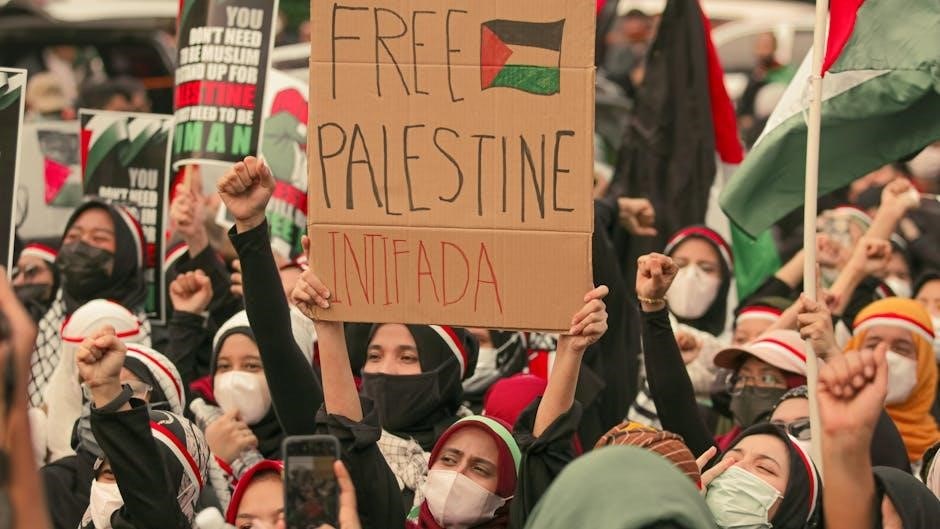
A core focus is the UN’s involvement‚ including resolutions passed by the Security Council and General Assembly‚ the establishment of UNRWA to aid Palestinian refugees‚ and the challenges faced in implementing international law. The PDF analyzes the limitations of the UN’s authority and the frequent use of veto power by permanent Security Council members.
Furthermore‚ the analysis explores instances where international actors have been accused of bias or inaction‚ and the consequences of these perceived failures. It concludes by evaluating the potential for a more effective and impartial international role in achieving a just and lasting resolution to the conflict.
XVIII. The Impact of Colonialism & Anti-Colonial Resistance
This PDF section centers on the argument that the Israeli-Palestinian conflict is fundamentally rooted in a colonial dynamic. It frames Zionism‚ not merely as a national liberation movement‚ but as a form of settler colonialism imposed upon an existing Palestinian population. The analysis details how European colonial practices – displacement‚ land appropriation‚ and the imposition of foreign governance – were mirrored in the establishment and expansion of Israel.
The document meticulously examines the historical context of European colonialism in the Middle East‚ and how this legacy shaped the region’s political landscape. It explores the concept of “internal colonialism‚” arguing that Palestinians experienced a form of colonization within Mandatory Palestine‚ even before 1948.
A key focus is the nature of Palestinian resistance‚ interpreting it primarily as anti-colonial struggle. It analyzes the evolution of Palestinian political movements – from early protests to armed resistance – through the lens of anti-colonial theory. The PDF addresses the complexities of characterizing Palestinian actions‚ acknowledging instances of violence while contextualizing them as responses to dispossession and occupation.
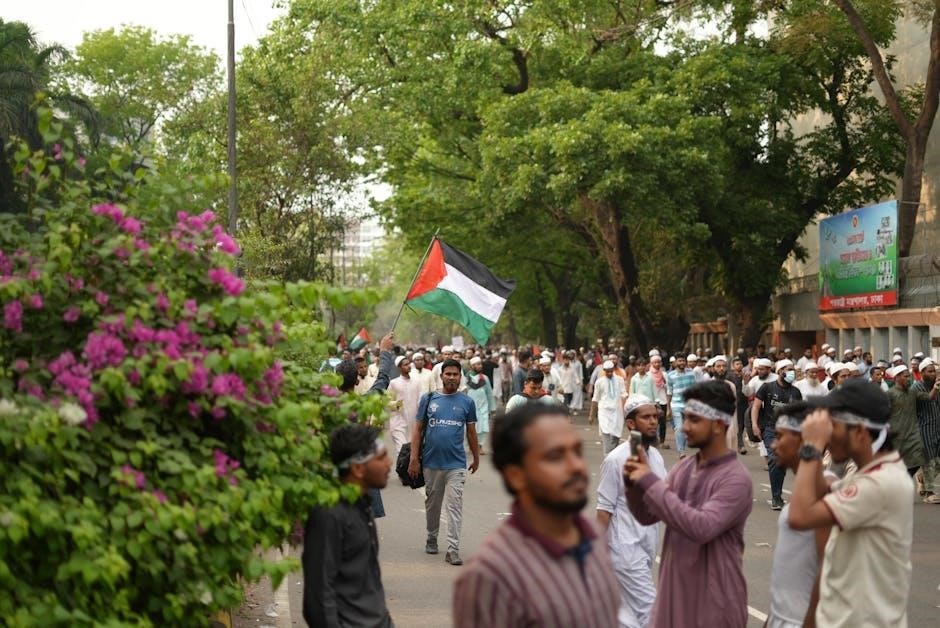
Furthermore‚ the section investigates how the framing of the conflict as a “territorial dispute” obscures the underlying colonial power dynamics. It concludes by assessing the implications of this colonial framework for achieving a just and equitable resolution.
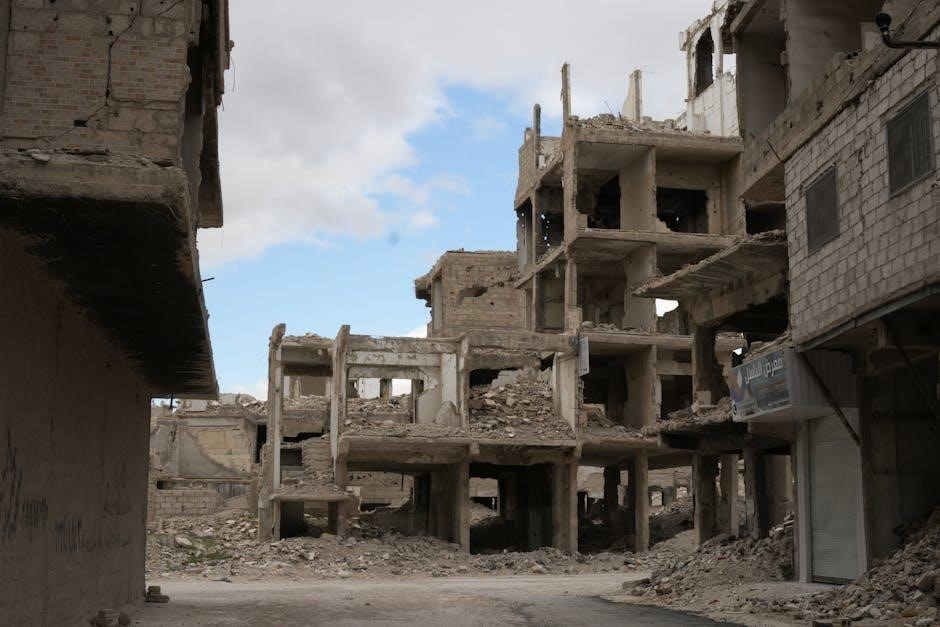
XXI. Analyzing the “Hundred Years War” Metaphor
This section of the PDF critically examines the applicability of the “Hundred Years War” metaphor to the Israeli-Palestinian conflict. It argues that the protracted nature of the struggle‚ spanning over a century of escalating violence and failed peace initiatives‚ warrants such a comparison. The analysis delves into the historical parallels between the two conflicts – including cycles of warfare‚ shifting alliances‚ and deeply entrenched national narratives.
The document explores how the metaphor highlights the systemic and seemingly intractable nature of the conflict‚ moving beyond simplistic portrayals of isolated events. It emphasizes the intergenerational trauma and the perpetuation of grievances that fuel ongoing hostilities. It also acknowledges the limitations of the metaphor‚ noting key differences in the historical context and the nature of the warring parties.
A central argument is that the “Hundred Years War” framing challenges the dominant narrative of a temporary conflict with a potential resolution. Instead‚ it suggests a deeply rooted struggle over land‚ identity‚ and power‚ potentially requiring a fundamental re-evaluation of existing approaches to peacemaking. The PDF further investigates how the metaphor impacts perceptions of justice and accountability.
Ultimately‚ the section concludes that while imperfect‚ the “Hundred Years War” metaphor provides a valuable framework for understanding the enduring and complex dynamics of the Israeli-Palestinian conflict.